Beyond Pity: Building a Truly Inclusive Society
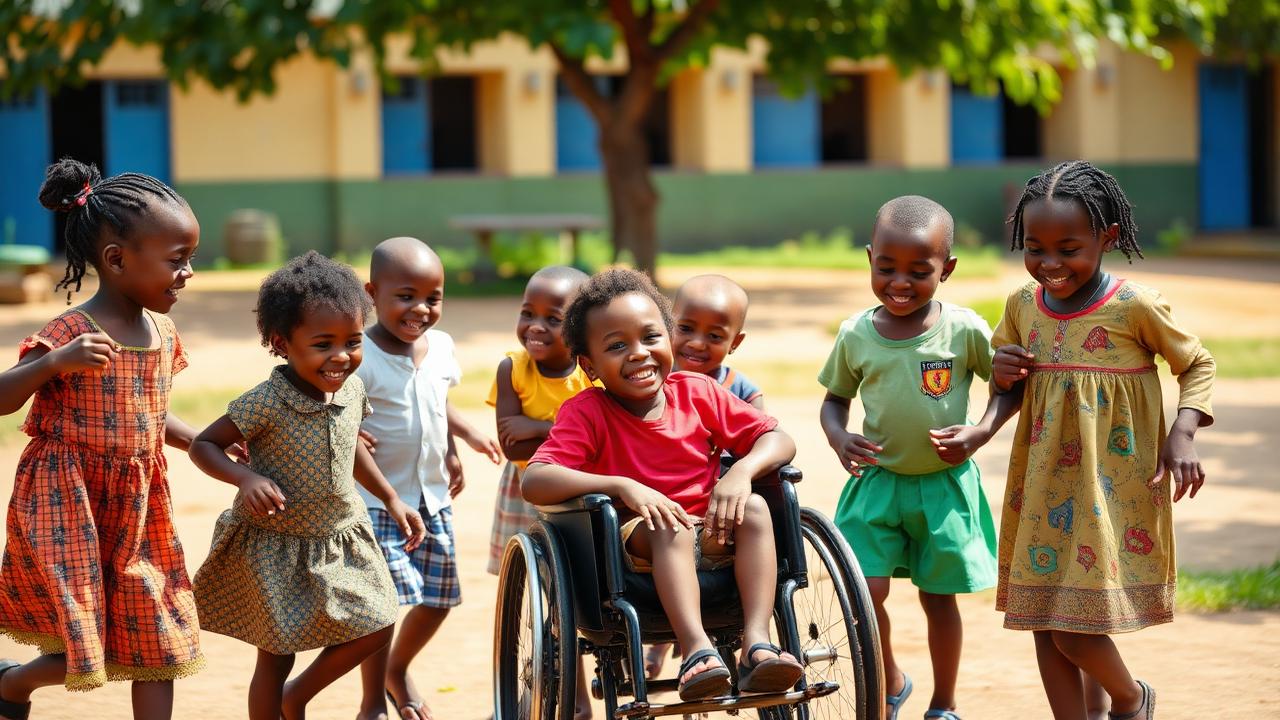
Charity is not the same as inclusion. A society can feel sorry for persons with disabilities and still leave them locked out of school, out of work, out of public life. True inclusion is structural. It changes how buildings are designed, how teachers are trained, how policies are written and how budgets are spent.
More than 25 million Nigerians live with a disability. They are not a problem to be solved — they are citizens, workers, students, artists, neighbours and friends whose talents the country cannot afford to waste.
Inclusive education is possible
An inclusive classroom is not one where a child with special needs simply sits at the back. It is one where teachers are trained to adapt lessons, where peers are taught empathy as a skill, and where success is measured by every child's growth — not by who fits the mold.
Inclusive work is dignified work
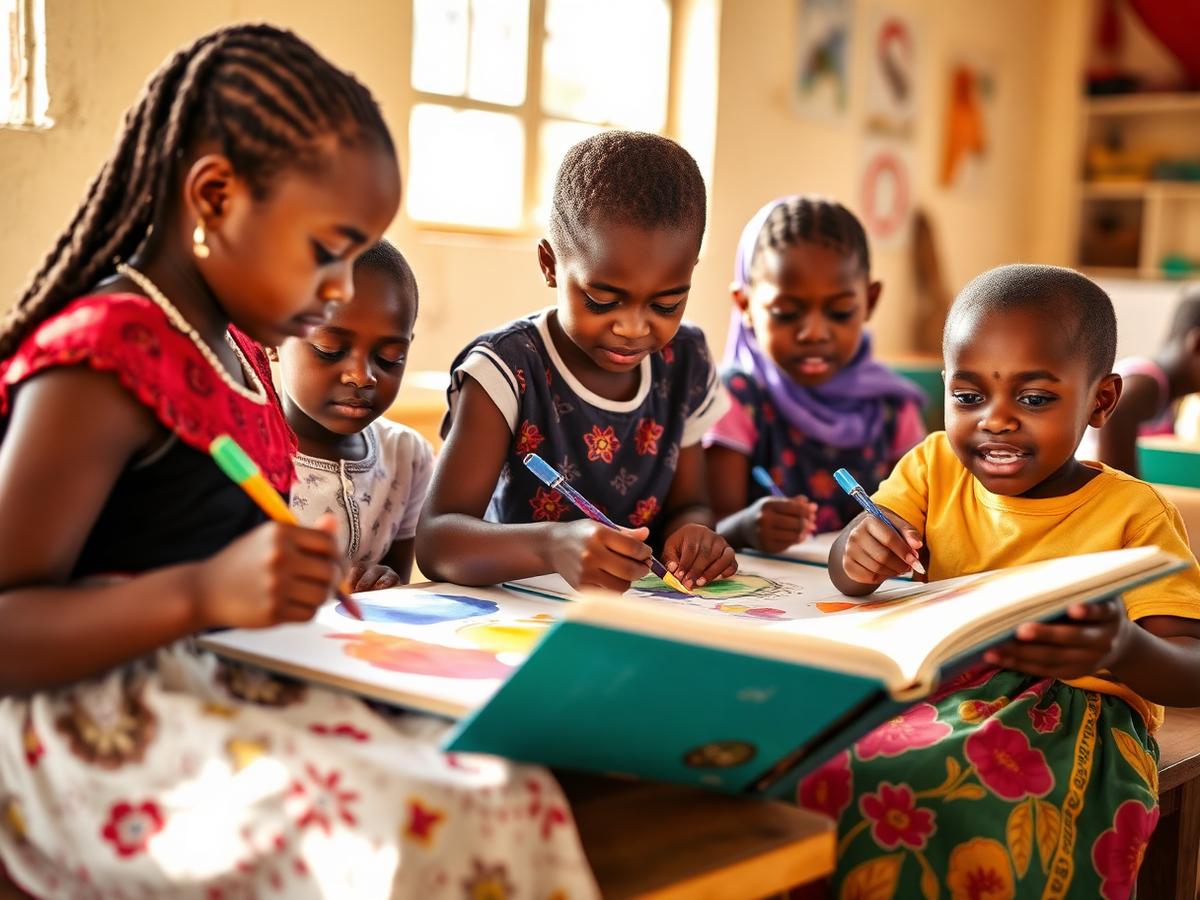
When adults with disabilities are given vocational training, mentorship and access to fair employment, they do not just earn a wage — they reclaim a sense of purpose and contribute to the economy. Our Vocational & Skills Hub exists to make that pathway real.
What you can do today
Speak up when you see exclusion. Hire inclusively. Donate to organizations doing the work. Volunteer your time. Most of all, invite a family raising a child with special needs into your circle. The most powerful policy change begins with one relationship at a time.