
The First 1,000 Days: Why Early Intervention Changes Everything

The first thousand days of a child's life are a season of extraordinary brain growth. For a child with developmental delay, autism, cerebral palsy or another special need, this is also the most powerful window for intervention — and the one most often missed in Nigeria.
Speech therapy can give a non-verbal child the gift of expression. Occupational therapy can turn a fearful, overwhelmed child into one who confidently feeds, dresses and plays. Behavioral therapy can help children regulate big emotions and find calm in a noisy world.
Why we wait too long
Stigma, cost and a shortage of trained therapists mean many Nigerian children are not diagnosed until they reach school age — and by then, families have already absorbed years of fear and isolation. Some are told to pray harder. Others are told to hide their child. Almost none are told the truth: your child can grow, and there is help.
What early intervention looks like
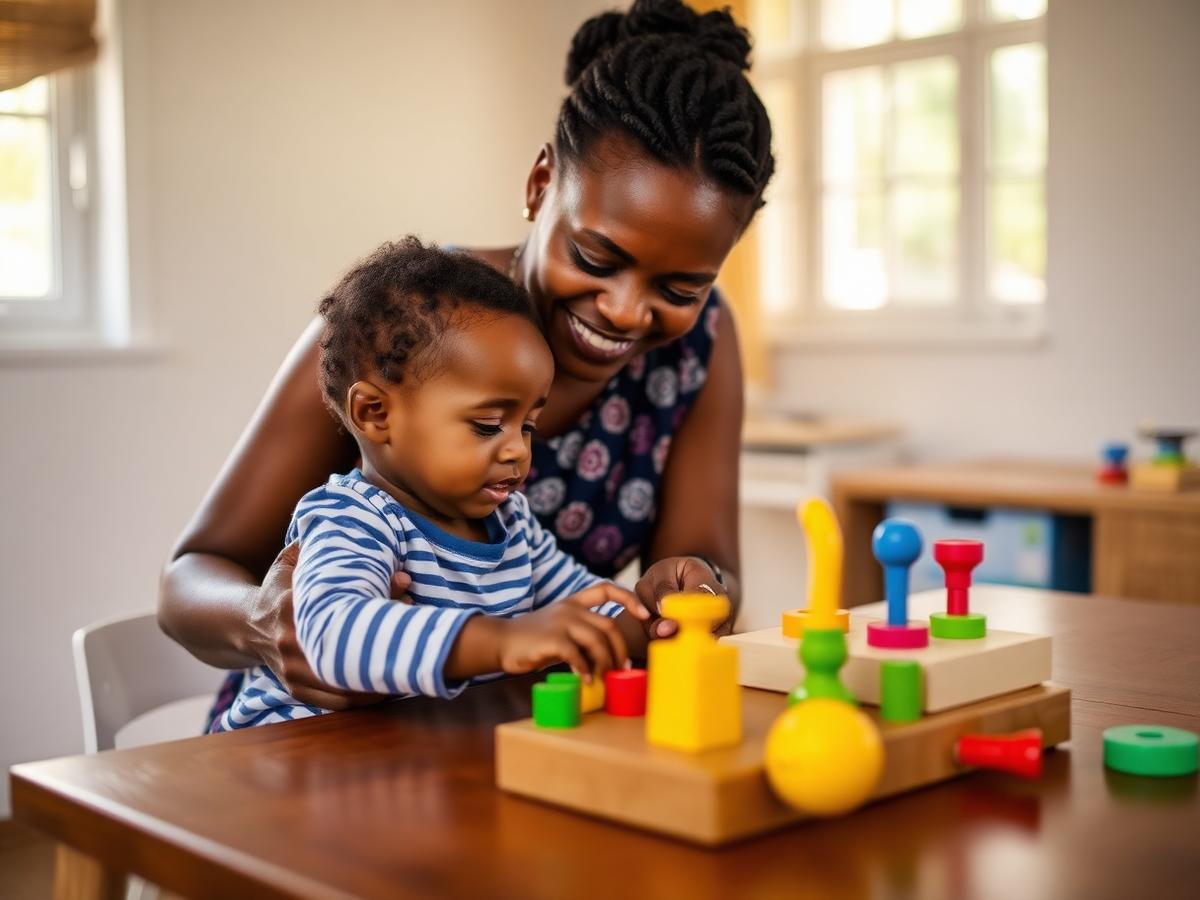
At our Early Intervention Clinic, a team of therapists, educators and social workers walks alongside the family. Sessions are practical, warm and goal-oriented. Parents are not spectators — they are co-therapists, learning the techniques that will continue at home long after the session ends.
We have seen children who arrived silent leave humming songs. We have seen toddlers who could not sit unaided take their first steps. None of this is magic. It is what becomes possible when a child gets the right support at the right time.