
Every Child Belongs: Why Inclusion Begins at Home
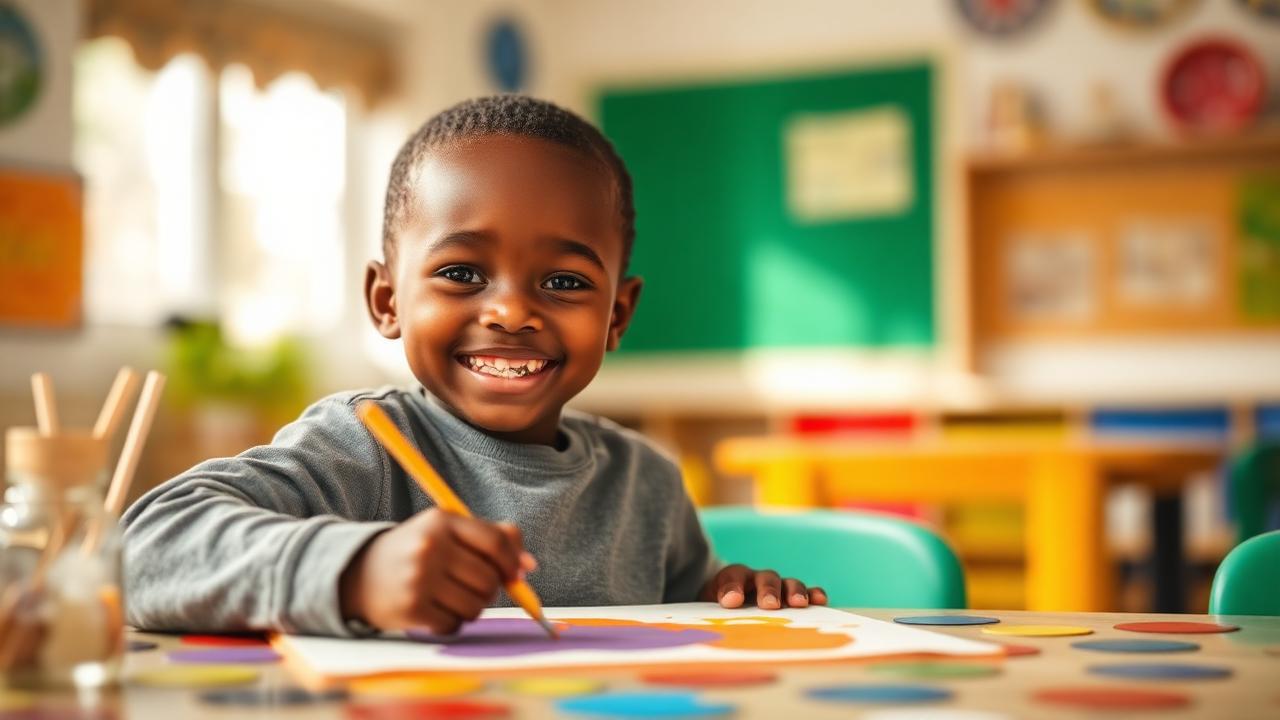
For a child with special needs, the word "belong" can carry a weight that other children rarely have to think about. Belonging is not just about being present in a room — it's about being wanted in it. And for many children with disabilities or developmental differences, that sense of being wanted is first either built or broken inside their own homes.
We often talk about inclusion as something that happens "out there" — in schools, in churches, in public spaces that need ramps, sensory rooms, or trained staff. But before a child with special needs ever encounters those spaces, they have already absorbed a far more personal lesson: whether their own family sees them as a full member of it, or as a situation to manage.
At Angel Michael Foundation, we believe inclusion is not a destination a child eventually reaches once they're "ready." It is a starting point — and it begins at home.
The Hidden Message in How We Respond
Children with special needs are often remarkably attuned to how the people around them react to them. A child with autism may not always make eye contact, but they notice tone. A child with a physical disability may not always have the words to describe it, but they feel the difference between being helped with patience and being helped with sighs.
Every day, in small unspoken ways, families send children a message:
- Are you a full part of this family, or an exception to it?
- Is your way of communicating valid, or something to be "fixed" before you're acceptable?
- Do people get excited to include you, or do they tolerate including you?
These are not dramatic moments. They are built from years of ordinary interactions — who gets invited to sit at the table, whose opinion is asked for, who is spoken about instead of spoken to.
What Exclusion at Home Can Look Like
Exclusion of a child with special needs rarely looks like outright rejection. It often hides behind good intentions:
- Speaking about the child in front of them, as though they cannot understand or do not have a perspective worth asking for.
- Lowering expectations across the board instead of identifying what the child genuinely can and cannot do.
- Treating the child as a source of stress to be managed rather than a person to be known.
- Excluding the child from family decisions, outings, or celebrations "to keep things simple."
- Comparing the child to siblings in ways that center on what they cannot do.
Each of these moments may seem small in isolation. Repeated over years, they teach a child that their place in the family is conditional — dependent on how much accommodation they require, rather than secure simply because they exist.
What Inclusion at Home Can Look Like
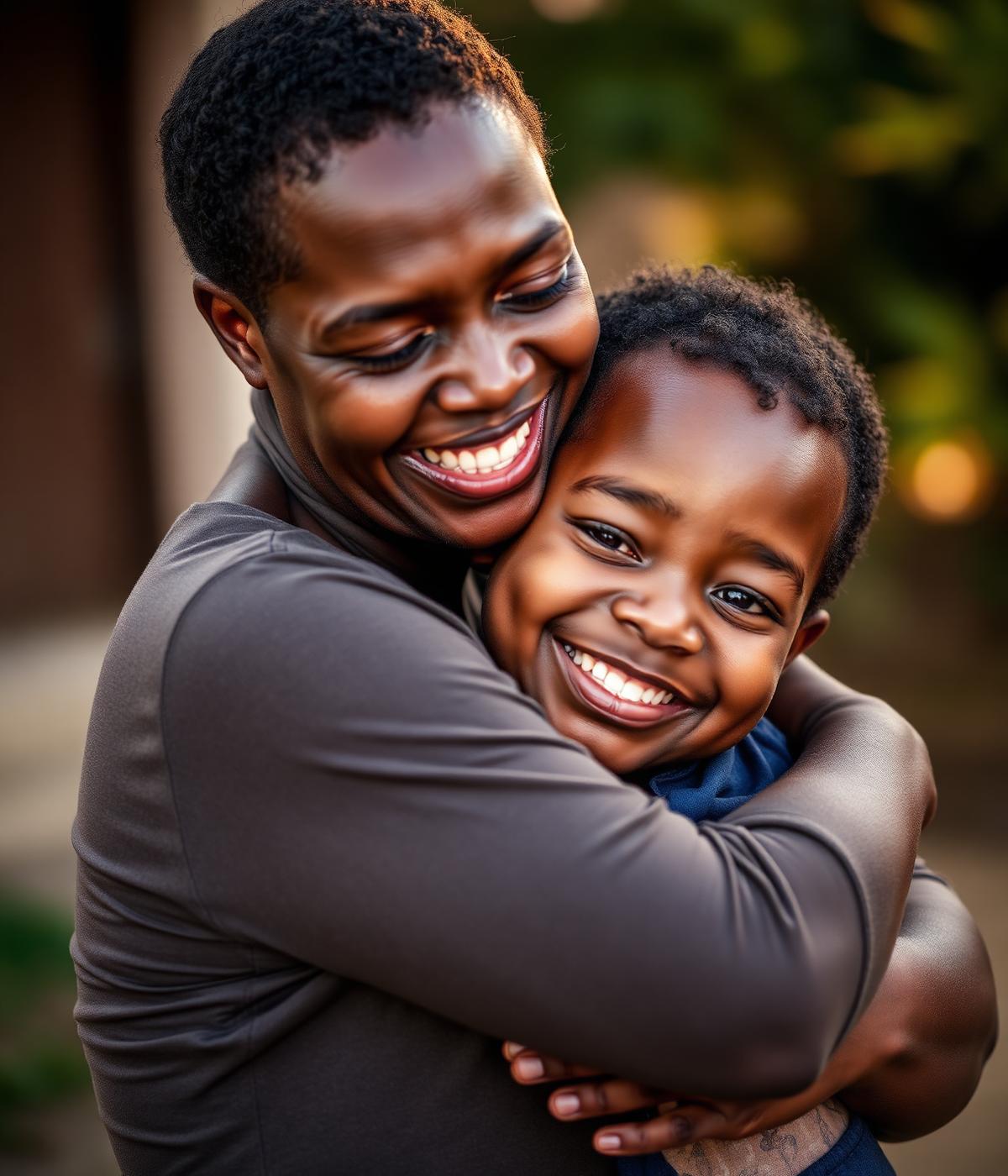
Inclusion does not require a perfect understanding of a diagnosis. It requires a consistent posture of respect and curiosity. In practice, this can look like:
- Speaking directly to the child, even when communication looks different than expected — through gestures, assistive devices, behavior, or simply time and patience.
- Including the child in family life — chores adapted to their ability, opinions asked for in family decisions, presence expected at gatherings rather than optional.
- Celebrating progress on the child's own terms, rather than measuring them only against neurotypical or able-bodied milestones.
- Letting siblings see equality in love, even when support needs differ — children notice quickly when affection seems proportional to "ease."
- Talking openly about disability within the family, so it is understood as a difference to navigate together, not a secret or a source of shame.
A child who experiences this kind of belonging at home tends to carry an inner security that no amount of external accommodation can fully replace. They learn early that their worth was never up for debate.
Why Home Comes Before the World
Schools can be inclusive. Communities can build ramps and offer therapies and welcome programs. But none of that can substitute for what a child first learns at home about their own value. A child who feels like an afterthought in their own family will often struggle to believe a classroom, a friendship, or a workplace truly wants them either — no matter how many accommodations are offered.
Conversely, a child who has felt fully claimed and embraced at home often carries a kind of resilience into the wider world. They have already learned, in the most important relationship of their early life, that being different does not mean being less wanted.
This is also why families themselves need support, not judgment. Raising a child with special needs can be exhausting, isolating, and at times overwhelming — and parents deserve compassion, respite, and community as much as their children do. Inclusion at home is not about parents being endlessly patient saints. It's about families having the support they need to keep choosing connection, even on hard days.
A Few Starting Points for Families
- Talk to your child, not just about them — in whatever way they communicate, make sure they know you're talking to them.
- Involve your child in family decisions wherever possible, even in small ways — it tells them their perspective matters.
- Notice your language — words like "burden," "difficult," or "special case" used in front of a child, even casually, are absorbed.
- Seek support for yourself — a supported parent is better able to offer the steady presence their child needs.
- Celebrate the child in front of you, not the child you may have once imagined — comparison to an "expected" path can quietly communicate disappointment.
Closing Thought
Every child belongs — not once they meet a certain standard, not once the world has been made fully accessible to them, but now, exactly as they are. For children with special needs, that truth has to be lived out first within the walls of their own home, in the ordinary, repeated moments that tell them: you are not a project. You are family.
If we want a world that makes room for every child, the work begins where every child's story begins — at home.